

1. Public Service Loan Forgiveness (PSLF)
PSLF offers complete loan forgiveness for borrowers working full-time in qualifying public service jobs after making 120 qualifying payments. Eligible employers include government organizations, 501(c)(3) nonprofits, AmeriCorps, and Peace Corps positions across the United States.
This program has forgiven over $7 billion in student debt since recent improvements made the process more accessible. The key requirement is working for a qualifying employer while making payments under an income-driven repayment plan for exactly 10 years.

2. Income-Driven Repayment Plans
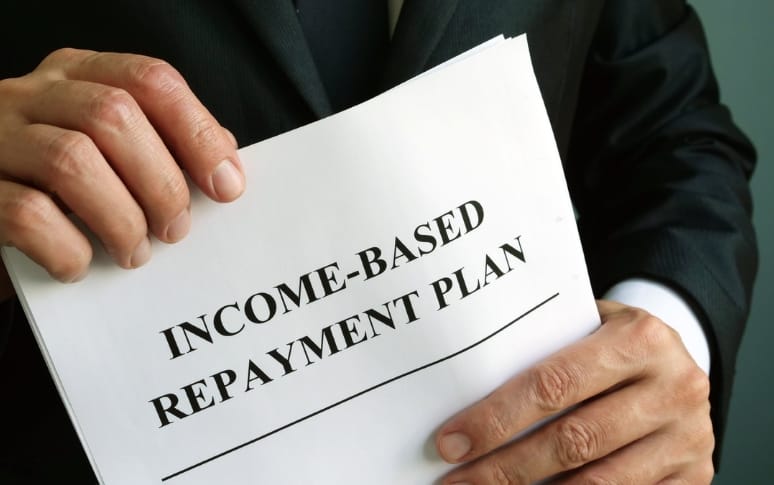
Income-driven repayment plans cap your monthly payments at 10-20% of discretionary income and forgive remaining balances after 20-25 years of payments. Four main plans exist: Income-Based Repayment (IBR), Pay As You Earn (PAYE), Revised Pay As You Earn (REPAYE), and Income-Contingent Repayment (ICR).
These plans recalculate payments annually based on income and family size, often resulting in $0 monthly payments for low earners. The forgiven amount may be taxable income, but recent legislation has eliminated this tax burden through 2025.
3. Teacher Loan Forgiveness
Teachers working in low-income schools can receive up to $17,500 in loan forgiveness after five consecutive years of qualifying service. Elementary and secondary teachers in Title I schools are eligible, with higher amounts available for math, science, and special education teachers.
This program works independently of PSLF, allowing teachers to pursue both options strategically. You must teach full-time for five complete academic years in qualifying schools to receive this benefit.

4. Total and Permanent Disability Discharge
Borrowers with total and permanent disabilities can have all federal student loans completely discharged through the TPD program. The Social Security Administration, Department of Veterans Affairs, or a physician can certify your disability status for this program.
Over 400,000 borrowers have received TPD discharges, eliminating billions in student debt for disabled Americans. The three-year post-discharge monitoring period was recently eliminated, making this option more accessible than ever before.

5. Closed School Discharge
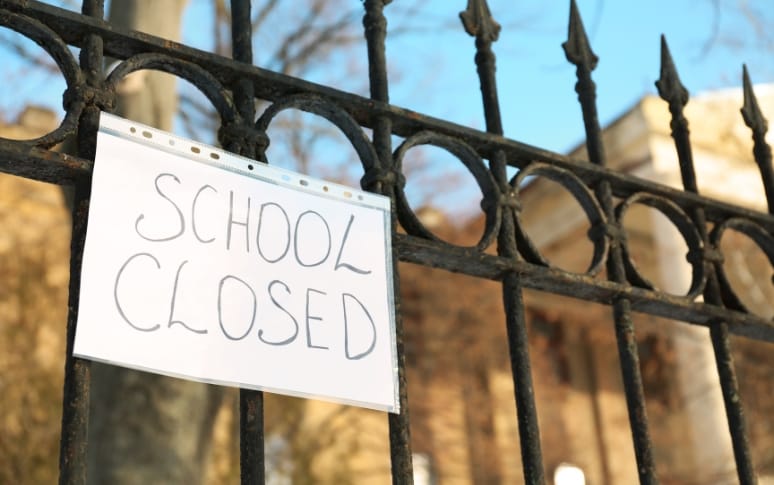
Students whose schools close while enrolled or within 180 days of withdrawal can receive complete loan discharge for that program. This discharge covers all federal loans taken for the closed program and may include refunds of payments already made.
Over 1,000 schools have closed in recent years, affecting hundreds of thousands of students nationwide. You cannot transfer credits from the closed school to complete a comparable program elsewhere to maintain eligibility.
6. Borrower Defense to Repayment
Students defrauded by their schools can receive loan forgiveness through the borrower defense process when schools violate state laws or mislead students. Common qualifying situations include false advertising, job placement rate misrepresentation, or failure to provide promised educational services.
Thousands of students from for-profit colleges have received relief through this program in recent years. The application requires detailed documentation of the school's misconduct and how it harmed your financial interests.

7. False Certification Discharge
Borrowers can receive loan discharge when schools falsely certified their eligibility for loans they shouldn't have received. This includes situations where schools forged signatures, falsified ability-to-benefit tests, or enrolled students without high school diplomas inappropriately.
Identity theft cases where someone else took loans in your name also qualify for this discharge. The discharge eliminates the loan obligation and may result in refunds of payments already made.

8. Unpaid Refund Discharge
Students who withdraw from school and don't receive required refunds can have loans discharged for the unpaid refund amount. Schools must return federal aid money when students withdraw early, following specific federal calculation requirements.
This discharge covers the portion of loans that should have been returned to the government by the school. You must first attempt to collect the refund directly from the school before applying for this discharge.

9. Military Service Benefits
Active duty military members can access several loan forgiveness programs including PSLF for qualifying military service. The Military College Loan Repayment Program provides up to $65,000 in loan repayment for eligible service members.
Interest rate caps at 6% during active duty through the Servicemembers Civil Relief Act provide additional savings. National Guard and Reserve members may qualify for state-specific loan forgiveness programs in addition to federal options.

10. Apply for Student Loan Forgiveness Programs
Start by identifying which forgiveness programs match your employment, education, and personal circumstances through the Federal Student Aid website. Gather required documentation including employment certification forms, tax returns, and loan servicer records before beginning applications.
Submit applications through your loan servicer or the Federal Student Aid website, depending on the specific program requirements. Follow up regularly on application status and maintain detailed records of all communications and submissions throughout the process.

¿Te ha resultado útil esta página? ¡Danos un pulgar hacia arriba!