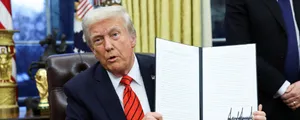

1. Family Tax Relief and Child Credits
Families get stronger tax breaks in 2025 thanks to increased standard deductions and higher child credits. The Child Tax Credit rises to $2,200 per child, plus seniors receive extra deduction bonuses. These moves aim to help middle-income households reduce their tax burden in the short term. Critics point out these benefits may expire by 2029, potentially leaving families facing higher taxes down the line. Planning ahead now can help you maximize these temporary gains.

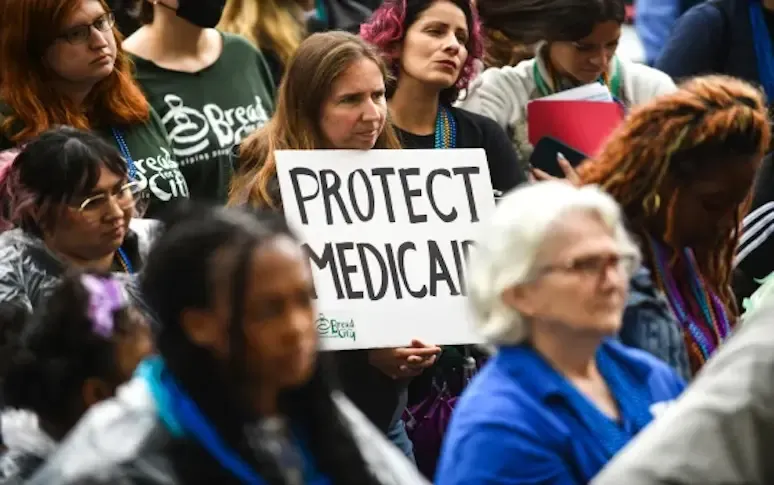
2. Medicaid Cuts Threaten Health Access
The Big Beautiful Bill slashes up to $880 billion from Medicaid over the next decade, threatening healthcare access for millions. New hurdles—like monthly work reporting, $35 co-pays, and stricter eligibility checks—could push over 10 million people off coverage, especially seniors, low-income families, and people with disabilities.
Though a $50 billion rural healthcare fund aims to soften the blow, it likely falls short. Many rural hospitals depend on Medicaid to survive, and closures could leave entire communities without ERs or basic care—widening America's healthcare gap.
3. Corporate Tax Cuts vs Employee Benefits
The One Big Beautiful Bill (OBBBA) offers major corporate tax breaks—lower rates and expanded depreciation—that could, in theory, boost employee benefits like health insurance, retirement plans, or paid family leave. But many companies may not pass those savings on.
That said, the law adds real incentives. Starting in 2026, employers can claim a refundable tax credit of 12.5%–25% for wages paid during family or medical leave. This also applies to leave insurance and newer employees, expanding access to paid time off.
The bill also raises the FSA contribution limit to $7,500, promotes telehealth under high-deductible plans, and supports direct primary care, childcare tax credits, and student loan repayment benefits (up to $5,250 per year, tax-free).
To make these changes count, employers must actively update their benefit plans—and employees should ask how (or if) these tax breaks are improving their workplace support.

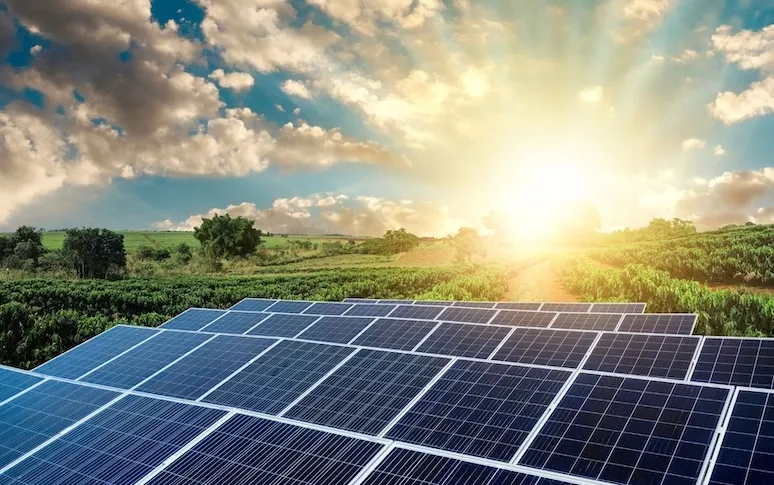
4. Cuts to Clean Energy Programs Threaten Public Health
The OBBBA cuts affordable clean energy added to the grid, raising average household electricity bills by about $110 annually, with some states seeing increases over $200. Business energy costs may rise nearly 10% by 2026, likely passed on to consumers. Gasoline prices are expected to increase by 25 to 37 cents per gallon by 2035, adding $339 billion in costs for Americans.
The bill ends federal programs that improve air quality and energy efficiency, potentially causing 430 avoidable deaths per year by 2030 and 930 by 2035 due to more pollution. It also increases fossil fuel emissions equivalent to cutting 2.6 billion trees, harming public health and raising medical costs.
Furthermore, the OBBBA will cut new clean energy additions to the grid by at least 50%, during a time when rising demand and extreme weather already strain the U.S. electric grid. This could leave up to 90% of American homes without access to clean energy.
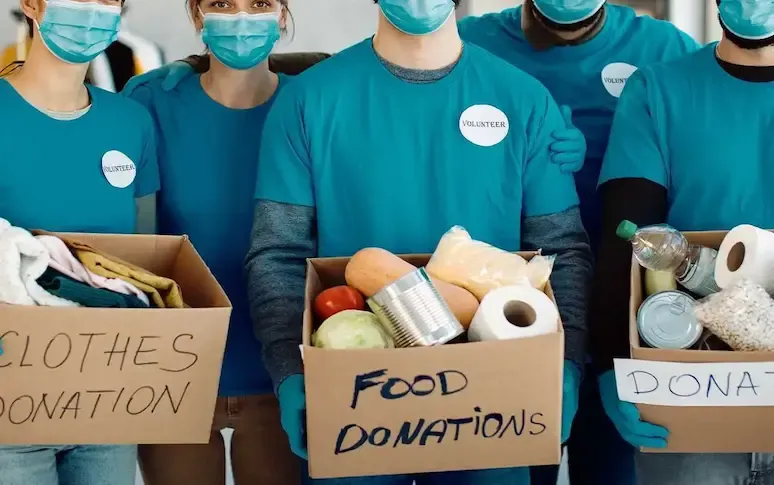
5. New Rules on Charitable Deductions and SNAP Funding
The new law lets couples deduct up to $2,000 for charitable donations—even without itemizing. But itemized deductions now face stricter limits, especially for high earners, reducing the benefit of large gifts.
Meanwhile, Supplemental Nutrition Assistance Program (SNAP) funding is cut by over $230 billion, putting pressure on nonprofits and food programs that support low-income families. Combined, these changes may discourage giving and strain vital services.
Donors should reassess their strategies, and SNAP recipients should watch for state-level changes in eligibility and support.
6. Border Enforcement and Military Spending See Major Increases
The One Big Beautiful Bill boosts border security funding by $170 billion over four years, raising ICE's budget from $10 billion to over $100 billion by 2029. This includes money for building the border wall, expanding detention centers, and hiring thousands of new agents to support up to 1 million deportations yearly.
It also adds $150 billion to the Defense Department budget from 2025 to 2034, focusing on shipbuilding, missile defense, ammunition, AI, and improving service members' living conditions.
These increases show a strong government commitment to national security and immigration control.

7. Conclusion: Plan Now to Stay Ahead
The Big Beautiful Bill offers short-term tax breaks and corporate perks but comes with deep cuts to healthcare and social support. To stay protected, claim all available credits, monitor your benefits, time your donations, and follow Medicaid changes in your state.
Whether you're a parent, retiree, or business owner, these reforms impact you. Understanding the key shifts now can help you navigate 2025 with more confidence and control.
¿Te ha resultado útil esta página? ¡Danos un pulgar hacia arriba!