

1. SNAP: A Quick Overview
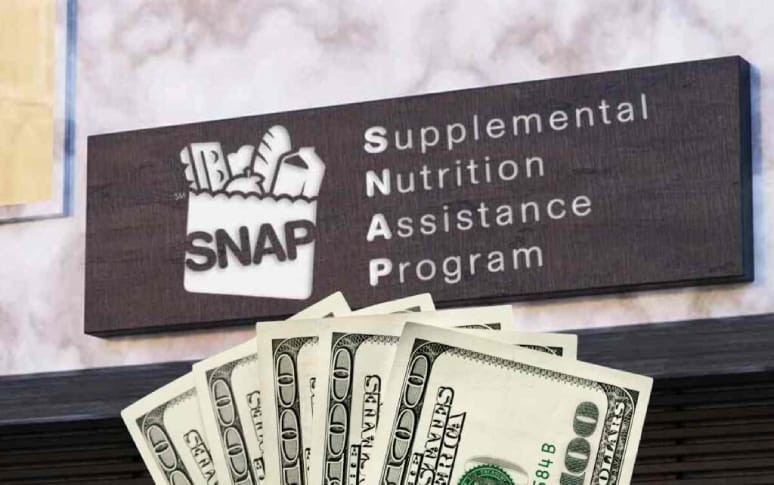
SNAP, formerly food stamps, aids over 41 million Americans in purchasing nutritious food. It's managed by the USDA, with benefits determined by the Thrifty Food Plan. Trump's reforms aim to revise its updates and impose stricter eligibility criteria, causing concern among policy analysts.
2. Stricter Work Requirements
The reform proposes stricter work requirements. Non-disabled adults aged 18 to 49 must work at least 20 hours weekly. The proposed changes would extend these requirements to individuals up to 65 years old, limit states' ability to waive work mandates in high-unemployment areas.
This means older workers, like a 55-year-old part-time grocery clerk, might have to increase their work hours or risk losing benefits.

3. Changes to Benefit Calculations
SNAP benefits are determined by the Thrifty Food Plan, reflecting the cost of a basic nutritious diet. Under Trump's proposal, automatic adjustments to the TFP would be restricted, potentially leading to reduced benefit amounts over time.
This change could result in slower cost-of-living adjustments, leaving beneficiaries with less financial support amidst economic fluctuations and reducing their overall financial security and adaptability.

4. Introducing Government-Distributed Food Boxes
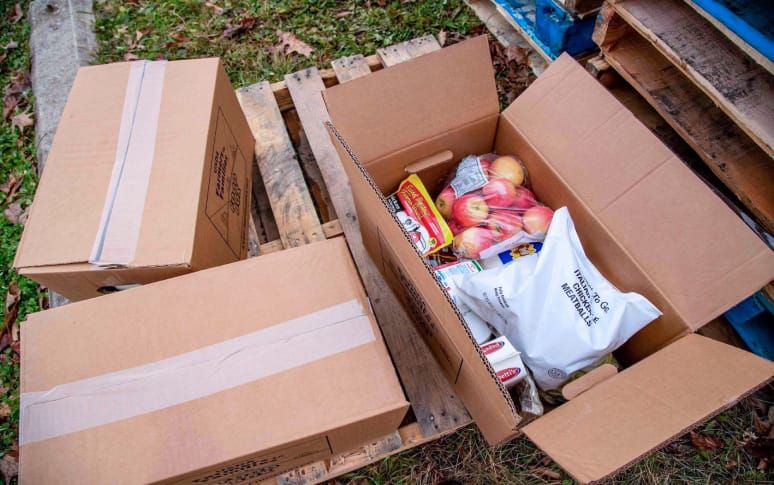
The reform proposal also suggests replacing part of SNAP benefits with pre-packaged food boxes, initially introduced in 2018. The aim is to cut costs, but it limits recipients' food selection choices and raises several concerns.
Critics highlight issues like the lack of fresh produce, absence of culturally appropriate foods, logistical distribution challenges, and potential nutritional inadequacy compared to current SNAP benefits.
5. Who Will Be Affected by These Changes?
These changes primarily affect low-income working adults, especially those with part-time jobs, and older adults aged 50 to 65 who might now fall under work mandates.
Individuals in rural areas, where job opportunities are limited, and those with unclassified disabilities could face significant difficulties adhering to the stricter work requirements, further complicating their economic and social situations.

6. How Will These Reforms Impact Food Security?
According to the Center on Budget and Policy Priorities, millions of SNAP recipients could lose benefits due to stricter eligibility rules. A study from 2024 indicates that food insecurity rates could rise by 10-15% under these reforms.
Currently, 41 million people rely on SNAP, with 65% of these beneficiaries being families with children receiving an average monthly benefit of $180 per person. Any reduction could have a severe impact on their well-being.
7. Effects on Children and Families
Many children depend on SNAP for adequate nutrition. Any cut in benefits might increase childhood hunger, developmental issues, and long-term health risks.
Schools providing free or reduced-price lunches could experience higher demand if families struggle to afford meals, stretching already limited resources and highlighting the interconnected nature of social support systems.

8. Economic Impact on Local Communities
SNAP spending significantly supports local economies, including grocery stores and farmers' markets. A reduction in benefits could decrease consumer spending, negatively affecting businesses and job creation in low-income areas.
The broader economic implications could exacerbate existing inequalities, particularly in communities already facing heightened food insecurity and economic challenges.

9. Potential Alternatives and Solutions
Instead of cutting benefits, some experts suggest expanding job training programs for SNAP recipients to secure stable jobs and improving childcare support to help parents meet work requirements.
Increasing funding for food banks and meal assistance programs could also offset potential SNAP cuts. These measures aim to protect vulnerable populations from the negative impacts of policy changes.

¿Te ha resultado útil esta página? ¡Danos un pulgar hacia arriba!