
Trump's Reciprocal Tariffs 2025
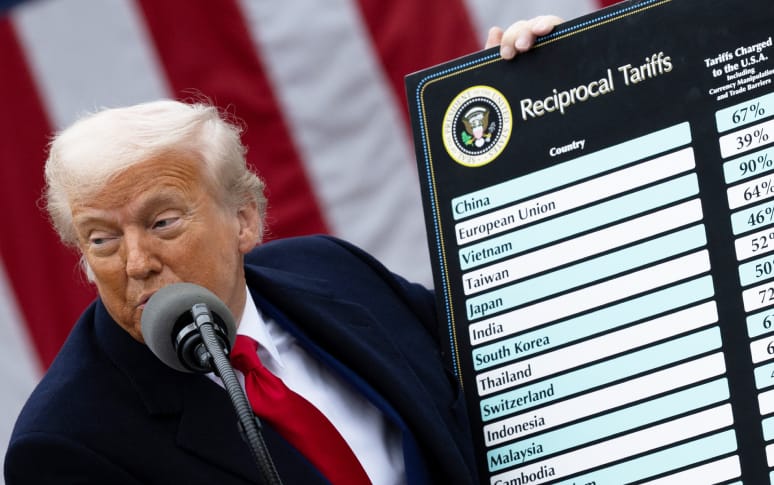
Trump's new trade policy imposes a minimum 10% tariff on all US imports from April 5, with higher rates targeting specific countries - including 49% for Cambodia, 46% for Vietnam, and an additional 34% for China on top of existing tariffs. The measures affect nations like the UK, Argentina, Australia, and Brazil.
While labeled as "reciprocal" by the White House, these tariffs were actually calculated to eliminate US trade deficits, affecting even countries like the UK that buy more from the US than they sell to it. The policy marks a significant shift in US trade relations with both allies and competitors.
Who Pays for Tariffs?
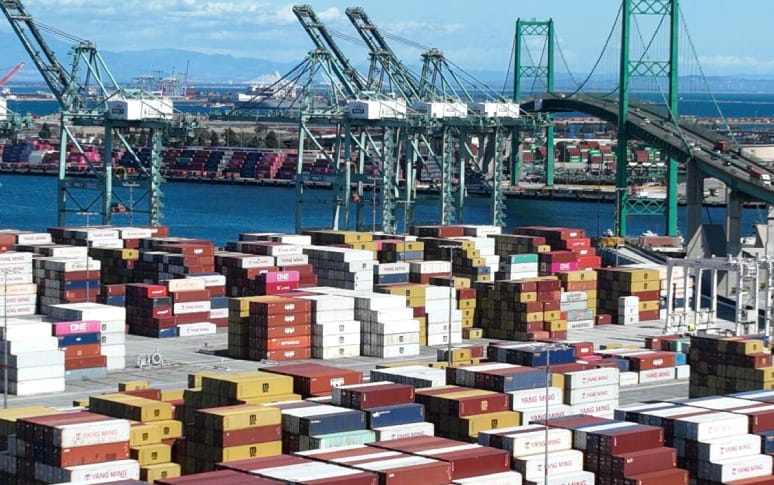
Despite Trump's claim that China pays for tariffs, companies importing goods actually pay these fees at US customs. These companies typically pass these costs to consumers, as shown by price increases following Trump's previous tariffs.
The economic impact is clear: whether buying foreign goods with tariffs or switching to domestic alternatives, consumers bear the cost. As economist Michael Coon explains, "Either we pay the higher price on Chinese goods with tariffs, or we pay the higher price to U.S. companies."
Why is Trump Using Tariffs?
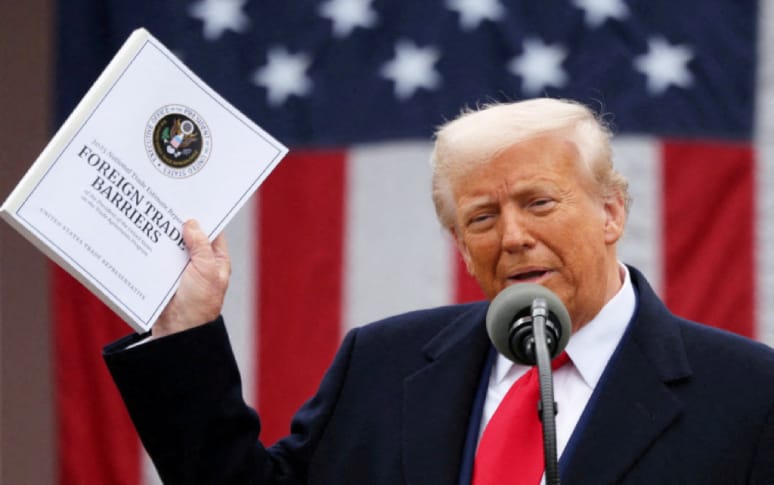
Trump has long advocated for tariffs as a key economic strategy, arguing they would boost American-made purchases, increase tax revenue, and attract investment while addressing what he calls exploitation by foreign "cheaters" who have "pillaged" the US.
Beyond pure economics, Trump's tariff policy, first implemented during his presidency against China, Mexico, and Canada, also aimed to leverage trade for broader goals, including controlling migration and drug trafficking into the US.
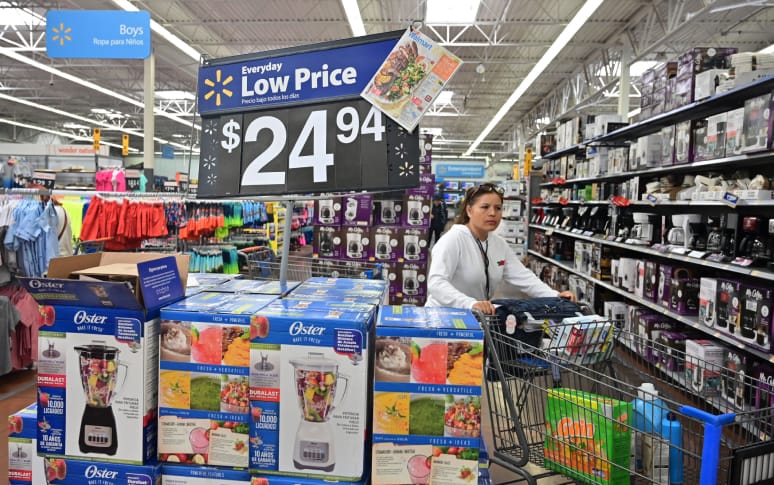
Price Hikes in Clothing, Drinks, Electronics for US Shoppers
Economists predict widespread price increases as companies pass on tariff costs to consumers, affecting everyday items from clothing and coffee to electronics and alcohol. The impact could be amplified as some companies reduce or halt imports, potentially creating scarcity and driving prices higher.
The ripple effect extends to US-manufactured goods that rely on imported components, particularly evident in the automotive industry, where parts frequently cross North American borders multiple times during assembly, potentially multiplying the tariff impact throughout the supply chain.
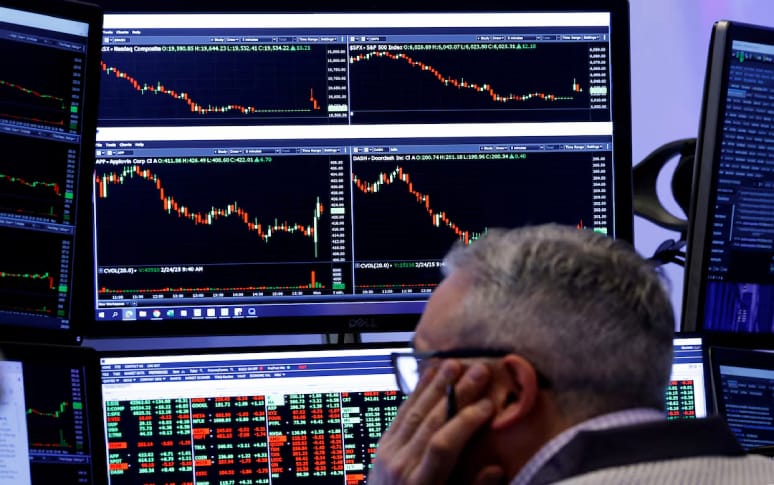
Big Falls on Global Stock Markets
Trump's new tariffs have led to big falls on global stock markets, including those in Europe and Asia. Stock markets are where firms sell shares in their business. They reflect the best guess of what every company in the world is worth and what their future profits will be.
Many people are affected by stock prices - even if they don't think they invest in them directly - because there can be an impact on things like pensions, jobs and interest rates.
US Household Tax Increases and GDP Shrinks
The combined impact of Trump's new April 2 tariffs and previously announced measures is projected to generate $2.9 trillion in revenue over a decade, while reducing US GDP by 0.7%, even before considering potential foreign retaliation.
These tariffs will significantly impact American households in 2025, reducing after-tax income by an average of 1.9% and effectively increasing taxes by approximately $1,900 per household, with the new tariffs alone accounting for $1.5 trillion in revenue and a 0.4% GDP reduction.

Rough Labor Market and Unemployment
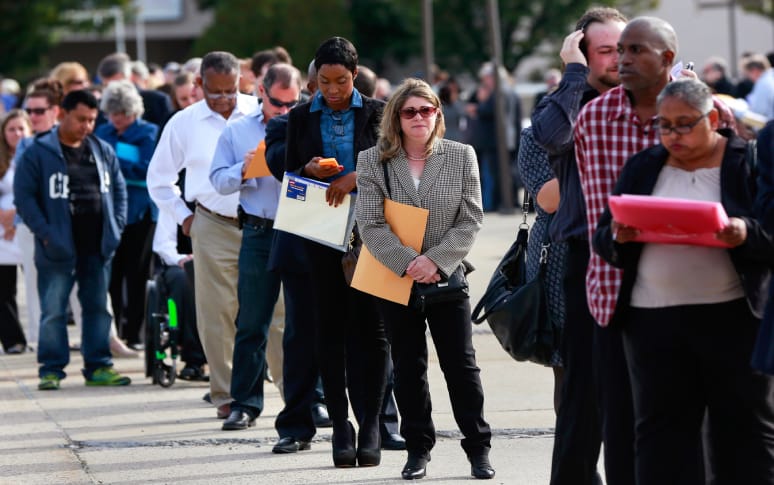
Job-seekers could be in for a rougher labor market as a result of the Trump administration's rollout of new tariffs. Debra Boggs, founder and CEO of D&S Executive Career Management, an executive search firm, says U.S. companies may react to new tariffs by slowing their hiring.
The sweeping tariff policy, which includes a 10% baseline tariff on most countries and steeper rates among certain trade partners, caused markets to drop, factories to pause production, and many businesses scrambling to figure out what the moves mean for their workforce and bottom line.
Other Countries' Responses to Tariffs
Global leaders have strongly condemned recent trade actions, with EU Chief Ursula von der Leyen warning of "dire consequences for millions around the globe," and traditionally friendly nations like Australia and Italy expressing disappointment.
The move has sparked retaliatory measures, with China announcing an additional 34% tariff on US goods, while Japan and South Korea have also responded negatively, with Korea's acting president declaring "the global trade war has become a reality."
The Future Trend of Tariff Policies Impact
Trump's new tariffs are projected to reduce US GDP by 0.7% before considering foreign retaliation. When including potential retaliatory tariffs affecting $330 billion of US exports, the total GDP reduction could reach 0.8%, with the April 2 tariffs alone accounting for a 0.4% decrease.
While these tariffs could generate $2.9 trillion in federal revenue over the next decade on a conventional basis, the actual revenue would likely be lower when accounting for economic impacts. After factoring in negative effects on the US economy and potential foreign retaliation, the revenue projection drops by nearly $600 billion to $2.3 trillion.
¿Te ha resultado útil esta página? ¡Danos un pulgar hacia arriba!